

A Complete Guide to Managed Cybersecurity Services for SMBs
Keeping up with cybersecurity can be difficult when your IT team is already handling support, projects, and day-to-day operations. So how do you know when it makes sense to bring in outside cybersecurity support?
Send a PDF copy of this guide to:
Don't Have Time to Read Now?
No worries! We can email you a PDF copy of Managed Cybersecurity Services: What SMBs Need to Know so you can access important information anywhere, anytime.
Managed cybersecurity services allow you to outsource threat monitoring, detection, and response to a third-party provider. If your business does not have a full security team, this can give you 24/7 coverage and access to cybersecurity expertise without building those capabilities in-house.
Limited security resources can make fast detection and response harder when an incident occurs. Verizon's 2026 Breach Impact Study found that ransomware accounted for 39% of incidents among small and midsize business (SMB) claims, and in extreme cases, breach losses reached up to 7% of total revenue.
Managed cybersecurity can help fill those gaps through ongoing monitoring, threat response, and expert support. This guide explains what these services include, what they cost, and how to decide whether they fit your business.
Evaluating managed cybersecurity services starts with understanding a few key questions
By the end, you'll have a clearer idea of whether managed cybersecurity fits your business and what to consider next.
Who Is This Guide For?
This guide is for business leaders and IT teams responsible for protecting company data without a full in-house security department.
This guide may be especially useful for:
-
Business owners and C-suite executivesdeciding whether to hire cybersecurity staff or outsource
-
IT managers and operations leadsmanaging small teams with limited security capacity
-
Compliance and risk leadersin regulated industries
-
Organizationsfacing cyber insurance requirements for controls such as MFA, endpoint protection, or backups
-
Decision-makerscomparing managed security providers who want clear information about services and costs
Table of Contents
- What Are Managed Cybersecurity Services?
- What Do Managed Cybersecurity Services Include?
- What Cybersecurity Challenges Do Small Businesses Face?
- What Are the Benefits of Managed Cybersecurity Services?
- What Are the Drawbacks of Outsourcing Cybersecurity?
- When Does Your Business Need Managed Cybersecurity Services?
- How Much Do Managed Cybersecurity Services Cost?
- How Do You Choose a Managed Cybersecurity Services Provider?
- Why Choose ITS for Managed Cybersecurity Services?
- What Do ITS Clients Say About Our Cybersecurity Services?
- Ready to Strengthen Your Cybersecurity?
- Frequently Asked Questions (FAQs) About Managed Cybersecurity Services
What Are Managed Cybersecurity Services?
Managed cybersecurity services are security functions you outsource to a specialized provider, often called a managed security service provider (MSSP). An MSSP monitors your environment, detects threats, responds to incidents, and manages security controls to help reduce your exposure to cyber risk.
Working with an MSSP gives you access to the people, tools, and processes needed to protect your systems without building a full security team in-house. You still set your security priorities, while the MSSP handles day-to-day security management.
The exact services vary by MSSP and plan. Most include continuous monitoring, threat detection and response, and layered security controls.
What Do Managed Cybersecurity Services Include?
Managed cybersecurity services can include 24/7 monitoring, threat detection and response, endpoint and email security, vulnerability management, security training, backups, and compliance support. The exact services depend on your provider and plan.
Managed Detection and Response (MDR)
Managed Detection and Response (MDR) pairs security tools with trained analysts who investigate suspicious activity in real time and act to contain threats.
Endpoint Detection and Response (EDR)
Endpoint Detection and Response (EDR) monitors laptops, desktops, and servers for suspicious behavior and can isolate a device to help stop a threat from spreading. It provides more visibility and response capabilities than traditional antivirus.
Security Information and Event Management (SIEM)
Security Information and Event Management (SIEM) collects and analyzes log data from your systems and security tools so analysts can identify suspicious patterns, such as repeated failed logins.
24/7 Security Operations Center (SOC)
A security operations center (SOC) is a team that monitors security activity, investigates alerts, and responds to threats around the clock.
Vulnerability Scanning and Penetration Testing
Vulnerability scans identify known security weaknesses, while penetration testing tests those weaknesses to see what an attacker could access or compromise. Verizon's 2026 DBIR found that vulnerability exploitation was the leading entry point in 31% of breaches.
Multifactor Authentication (MFA) and Access Control
Multifactor Authentication (MFA) requires more than one form of verification to access an account, so a stolen password alone may not be enough. Role-based access limits what each user can access based on their permissions.
Email Security
Managed email security helps block phishing emails, spoofed senders, and other malicious messages. It may also include encryption for sensitive email.
Security Awareness Training and Phishing Simulations
Security awareness training teaches employees how to recognize phishing and social engineering. Phishing simulations test how well they apply what they learned.
Dark Web Monitoring
Dark web monitoring alerts you when company credentials appear in leaked data, whether from your own systems or a third-party breach, so you can respond quickly and reset exposed passwords.
Backup and Disaster Recovery
Backups let you restore data after ransomware, hardware failure, or a natural disaster. Regular testing helps confirm that your backups and recovery plan are ready when you need them.
Incident Response
Incident response covers how security incidents are investigated, contained, removed, and recovered from. Your provider's role can vary depending on the service agreement.
Compliance Support
Many providers help support cybersecurity requirements tied to HIPAA, PCI DSS, CMMC, and the FTC Safeguards Rule. They may help you implement controls, assess gaps, and maintain documentation, but your organization remains responsible for meeting its applicable requirements.
What Cybersecurity Challenges Do Small Businesses Face?
Common cybersecurity challenges for small and midsize businesses include ransomware, limited budgets, mobile device risks, skills gaps, third-party risk, and unknown security weaknesses. These challenges can be harder to manage when you have limited staff, time, and resources.
According to the FBI's 2025 Internet Crime Report, Americans submitted more than 1 million internet crime complaints in 2025, with reported losses totaling nearly $21 billion.
Ransomware
Verizon's 2026 DBIR found that ransomware was involved in 48% of breaches, up from 44% the year before.
The median ransom payment was $139,875, while 69% of ransomware victims did not pay. Having strong backups and a tested recovery plan can give you more options during an attack and reduce the pressure to pay.
Limited IT Budget
Your security budget may be limited, but recovering from a cyber incident can be costly.
IBM's 2026 Cost of a Data Breach Report found that the global average cost of a data breach reached $4.99 million. In the U.S., the average reached $11.5 million per incident.
Ransomware can also carry significant recovery costs. Sophos' State of Ransomware 2026 reported an average recovery cost of $1.7 million among organizations with 100 to 5,000 employees.
Mobile Devices and BYOD
Bring-your-own-device (BYOD) policies can make work more flexible, but personal devices can be harder to secure when they are not managed like company-owned devices. Without clear security policies and controls, they can increase the risk of unauthorized access, phishing, and data exposure.
In Verizon's 2025 Mobile Security Index, 85% of organizations surveyed said mobile attacks were increasing. Among SMB respondents, 57% said limited resources put them at a disadvantage when responding to cyberattacks.
Cybersecurity Skills Gap
Building and maintaining the right cybersecurity skills can be difficult, especially as technologies and security requirements continue to change.
The 2025 ISC2 Cybersecurity Workforce Study found that:
- 59% of respondents reported critical or significant cybersecurity skills needs
- Nearly 88% experienced at least one significant cybersecurity consequence because of a skills shortage
- 95% reported at least one cybersecurity skill need
Third-Party and Vendor Risk
Third-party vendors can introduce security risks when they have access to your systems, data, or cloud services. A weakness in a vendor's environment can sometimes affect your business too.
Verizon's 2026 DBIR found that third parties were involved in 48% of breaches, up from 30% the previous year.
Unknown Security Gaps
Security weaknesses can go unnoticed until an attacker finds them. In Sophos' State of Ransomware 2025, 40% of ransomware victims said attackers exploited a security gap they were not aware of.
Managed cybersecurity services can help address these challenges through ongoing monitoring, access to security specialists, and regular assessments that identify vulnerabilities and security gaps.
What Are the Benefits of Managed Cybersecurity Services?
Managed cybersecurity services can give your business 24/7 security coverage, access to cybersecurity specialists, and security tools that may be difficult to manage in-house. They can also make security spending more predictable and help you implement and document controls tied to compliance and cyber insurance requirements.
24/7 Security Coverage
Maintaining around-the-clock security coverage can be difficult for a small internal team. Depending on the service plan, a managed provider can monitor your systems 24/7, including weekends and holidays.

Access to Security Expertise
![]()
Managed cybersecurity can give you access to specialists across areas such as threat detection, incident response, and security operations without requiring you to hire for every role internally.
Access to Advanced Security Tools
![]()
Security tools such as SIEM, EDR, and threat intelligence platforms can require significant time, expertise, and resources to manage effectively. A managed provider can give smaller businesses access to these tools along with the specialists who operate and monitor them.
Faster Threat Detection and Response
![]()
Continuous monitoring and trained security responders can help identify suspicious activity and act before an attack causes more damage.
Sophos' State of Ransomware 2026 found that 56% of ransomware attacks resulted in data encryption, an increase from 2025. Among organizations with 100 to 250 employees, only 34% stopped attacks before encryption or extortion.
More Predictable Security Spending
![]()
Building security capabilities in-house can involve changing costs for hiring, training, tools, and incident response. Managed services move more of that spending into a recurring fee, which can make cybersecurity budgeting more predictable.
Flexibility as Your Business Changes
![]()
Depending on your service agreement, a managed provider can adjust coverage as you add employees, devices, locations, or remote workers. Coverage may also be scaled back as your needs change.

Compliance and Cyber Insurance Support
![]()
Compliance requirements and cyber insurers may expect controls such as MFA, endpoint protection, and tested backups. Depending on the service, a managed cybersecurity provider can help you implement those controls and document how they are managed.
What Are the Drawbacks of Outsourcing Cybersecurity?
Outsourcing cybersecurity can mean less direct control over day-to-day security decisions, reliance on an outside provider, and response times that depend on your service agreement and the severity of the issue.
Many of these risks can be reduced by choosing the right provider and clearly defining responsibilities, response expectations, access, and service terms before you sign.
When you outsource cybersecurity, some day-to-day decisions are handled within your provider's processes and service agreement.
Your provider may also standardize on specific security tools or platforms.
How to reduce this risk:
- ✓Define who is responsible for key security decisions.
- ✓make sure you retain access to your data, accounts, and security reporting.
Security needs can vary by industry, business model, data, and regulatory requirements.
A provider that relies too heavily on standardized packages may not fully account for the risks specific to your organization.
How to reduce this risk:
- ✓Choose a provider that evaluates your processes, data, risks, and compliance requirements before recommending services or controls.
Managed providers support multiple clients and typically prioritize incidents based on severity and the response commitments in their SLA.
As a result, response times may vary depending on the type and urgency of the issue.
How to reduce this risk:
- ✓Review SLA response times, escalation procedures, and priority definitions before you sign.
Outsourcing cybersecurity creates some reliance on your provider for day-to-day security operations.
If service quality declines or you decide to switch providers, the transition can take time.
How to reduce this risk:
- ✓Keep current documentation of your systems, retain access to your accounts and data.
- ✓Understand how services and tools can be transitioned if the relationship ends.
When Does Your Business Need Managed Cybersecurity Services?
Managed cybersecurity may be worth considering if you lack dedicated security staff, face compliance or cyber insurance requirements, or cannot monitor your systems around the clock.
Businesses with an internal IT team may also use a co-managed model, where an outside provider fills specific security gaps while the internal team keeps day-to-day control.
The situations below are common signs that outside cybersecurity support may be useful.
You Don't Have Dedicated Security Staff
If one or two IT people are handling help desk tickets, projects, and security at the same time, security work can compete with other priorities. Managed services can give you access to additional security expertise without adding internal headcount.
You Face Compliance Requirements
Your Cyber Insurer Requires Specific Controls
You've Had an Incident or a Close Call
You're Growing or Adding Remote Staff
When Might a Different Approach Make More Sense?
At Intelligent Technical Solutions (ITS),
our managed cybersecurity services typically work best for organizations with 20 or more users, particularly those managing sensitive data, compliance obligations, cyber insurance requirements, or growing security needs.
How Much Do Managed Cybersecurity Services Cost?
Managed cybersecurity costs vary based on the provider, number of users and devices, security needs, and services included. Providers may charge per user, per device, by service scope, or through a flat monthly fee.
At ITS, cybersecurity is included within broader managed IT plans. Core ranges from $125 to $170 per user per month, while Core + Secure ranges from $160 to $250 per user per month.
What Do ITS Core and Core + Secure Plans Include?
ITS combines managed IT support and cybersecurity in its service plans rather than pricing them as separate services.
| Tier | What It Covers |
| Core | Managed IT with foundational cybersecurity, including endpoint protection, Microsoft 365 MFA, email anti-spoofing, and malicious web filtering and DNS security |
| Core + Secure | Everything in Core, plus expanded security services such as a 24/7 SOC, threat intelligence, threat hunting, incident response, EDR, MDR, dark web monitoring, phishing simulations, security awareness training, and vulnerability scanning |
Full onboarding typically takes six to eight weeks. Onboarding fees can vary based on your organization's size, complexity, and the work required to prepare your environment.
What Factors Affect Managed Cybersecurity Pricing?
Pricing depends on factors such as the number of users and devices you need to protect, the sensitivity of your data, your existing IT environment, and the security controls you need. Compliance and cyber insurance requirements can also affect the scope and cost of your services.
Why Start with a Cybersecurity Assessment?
A cybersecurity assessment can identify gaps in your current environment and help prioritize the security improvements your business needs. That information can help determine the appropriate service scope and create a more accurate estimate of your cybersecurity costs.
When setting your budget, consider the risks you need to manage and what is included in the service, rather than comparing providers on price alone.
How Do You Choose a Managed Cybersecurity Services Provider?
Choose a managed cybersecurity provider based on the coverage, expertise, service commitments, security practices, and visibility your business needs. Before signing, make sure you understand what the provider will manage, how quickly they respond, and how they protect the systems and data they can access.
Confirm 24/7 Human Monitoring and Response
If you need around-the-clock protection, confirm that trained security analysts can investigate and respond to alerts 24/7, including weekends and holidays. Ask what happens after an alert is detected and which response actions are included in your plan.
Check Their Industry Experience
Look for a provider that has experience with businesses like yours and understands the security and compliance requirements that apply to your industry. Ask for specific examples of the organizations and environments they support.
Review Their Service Level Agreement
A clear service level agreement (SLA) should define the services you receive, response expectations, support hours, escalation procedures, and each party's responsibilities. Review these terms carefully before you sign.
Look for a Layered Security Approach
No single security control can address every threat. Look for a provider that combines multiple layers of protection, such as monitoring, endpoint security, email security, employee training, and backups, rather than relying heavily on one tool.
Evaluate the Provider's Own Security
A managed cybersecurity provider may have privileged access to your systems and data, so its own security practices matter. Ask how the provider protects administrative access, monitors its environment, responds to incidents, and notifies clients if a security event could affect them.
Check Reviews and Client References
Reviews and references can provide insight into how a provider performs in practice. Ask current clients about response times, communication, problem resolution, and their overall experience working with the provider.
Understand What's Included in the Price
Providers package and price services differently. Confirm what is included in your monthly fee, which services cost extra, and how your pricing may change as you add users, devices, locations, or security services.
Ask How They Report on Your Security
Look for a provider that gives you regular visibility into your security through reports and reviews that your leadership team can understand. Ask what information you will receive, how often you will receive it, and how the provider communicates priorities and recommended improvements.
Why Choose ITS for Managed Cybersecurity Services?
ITS combines managed IT and cybersecurity through one provider, with services that can include 24/7 IT support, security monitoring and response, and ongoing strategic guidance.
Since 2003, our team has supported organizations across industries, including healthcare, financial services, manufacturing, and automotive.
24/7 Security Operations Center
With Core + Secure, ITS provides 24/7 monitoring through its Security Operations Center (SOC), where trained analysts investigate suspicious activity and respond to potential threats.
Around-the-Clock IT Support
You can contact our help desk at any time for technical issues, with on-site assistance available when hands-on support is needed.
Backup and Disaster Recovery Options
We offer backup and disaster recovery services designed to help businesses protect data and restore operations after disruptions. Available options and pricing depend on your environment and recovery needs.
Security Recommendations Based on Your Environment
Our team evaluates your technology, processes, risks, and security requirements before recommending services and controls for your environment.
Transparent Per-User Pricing
ITS publishes per-user pricing ranges for its managed IT and cybersecurity plans, helping businesses understand expected service costs before starting the sales process.
Ongoing IT and Security Planning
Through our Client Success Program, we help clients plan technology and security improvements based on their business goals, risks, and priorities.
Industry Recognition
ITS has received recognition from technology and business organizations for areas including managed services, technical expertise, company scale, and growth.
Our 2026 recognition includes:
- CRN's 2026 MSP 500, in the Security MSP 100 category
- CRN's Tech Elite 250
- CRN's Solution Provider 500, ranked No. 378 in 2026, marking our fourth consecutive year on the list
- Cloudtango's MSP Select
- SonicWall's MSP Partner of the Year
- The Inc. 5000, for the third consecutive year
What Do ITS Clients Say About Our Cybersecurity Services?
ITS clients have shared how our team has helped identify security gaps, respond to ransomware incidents, and strengthen cybersecurity across their organizations.
Here’s what leaders in healthcare, distribution, nonprofit, and automotive organizations have shared about working with ITS.
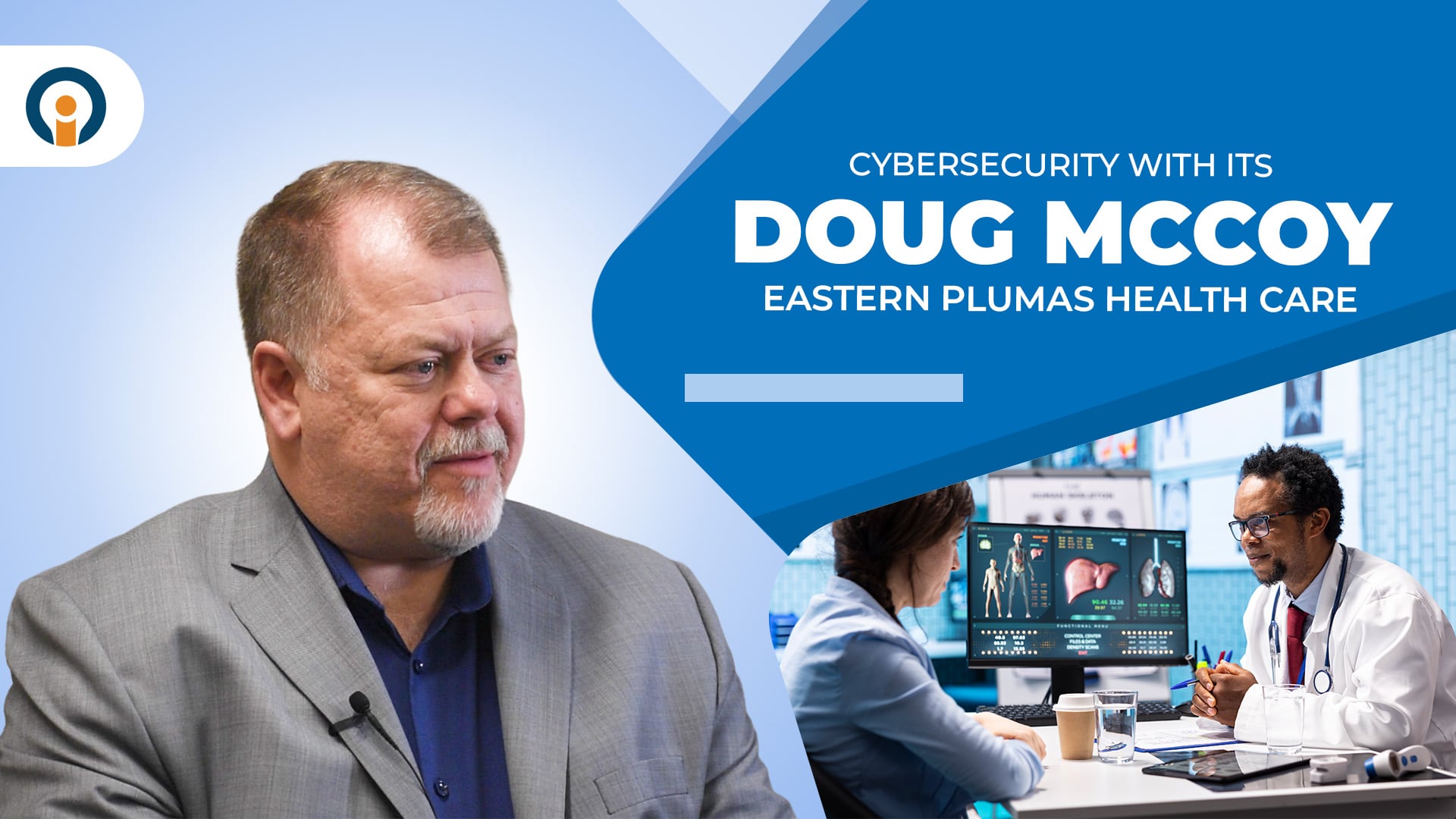
"ITS identified an MFA hole in a large-scale EHR system that had never been caught before. Had it not been for them, we would've gone live and unknowingly increased our risk. Their insight not only protected us, [but it also] helped four other facilities that implemented the same system after us."

Doug McCoy
CEO, Eastern Plumas Health Care (EPHC)
"We had an issue with a ransomware problem, and our previous IT partner could not resolve it. It brought us to a standstill... so we reached out to ITS and they helped us with the issue."

Mark Breauninger
Director of Operations, The Synthetic Grass Store

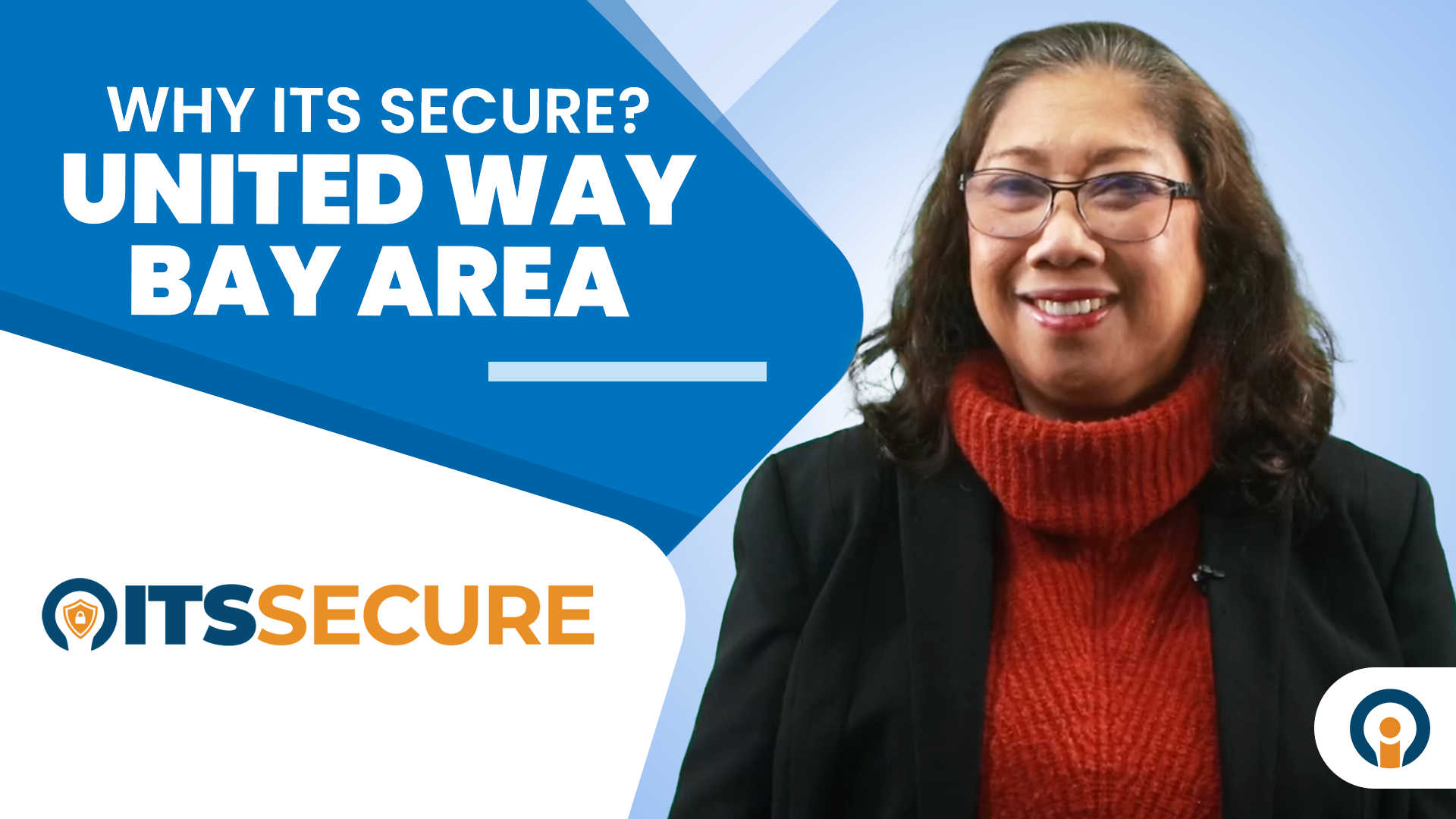
"ITS helped us implement a layered security model addressing both our immediate needs and long-term goals. Our executive team sleeps better at night, and our remote staff can work securely and efficiently. With ITS as our partner, we're confident that we can fulfill our mission securely and efficiently."

Sarahvon Buenavista
Director of IT Operations, United Way Bay Area
"What you don't want is someone from another country shutting you down and taking all of your money, because this is our livelihood. You are keeping us secure so we can sleep at night and help us make sure all of our 600+ employees have a job tomorrow."

Tully Williams
Fixed Operations Director, The Niello Company

Ready to Strengthen Your Cybersecurity?
Managed cybersecurity can help you close security gaps, extend your coverage, and support compliance efforts without building a full security team in-house.
Since 2003, ITS has helped businesses across the U.S. manage and secure their technology. Our cybersecurity services can include 24/7 monitoring and response, security planning, and support for compliance and cyber insurance requirements.
Want to see where your security stands today?
Schedule a meeting with our team or request a cybersecurity assessment to identify gaps and next steps.
Frequently Asked Questions (FAQs) About Managed Cybersecurity Services
Q: What are managed cybersecurity services?
A: Managed cybersecurity services are security functions you outsource to a specialized provider. Depending on your plan, the provider can monitor your systems, detect and investigate threats, respond to incidents, and manage security controls on your behalf.
Q: How are managed cybersecurity services different from antivirus software?
A: Antivirus primarily helps protect individual devices from malware and other threats. Managed cybersecurity provides broader protection by combining security tools with ongoing monitoring, investigation, and human response across your IT environment.
Q: How much do managed cybersecurity services cost?
A: Pricing varies by provider and may be based on users, devices, service scope, or a flat monthly fee. At ITS, cybersecurity is included in broader managed IT plans, with Core ranging from $125 to $170 per user per month and Core + Secure from $160 to $250.
Q: Are managed cybersecurity services worth it for small businesses?
A: Managed cybersecurity can be worthwhile if your business needs security expertise, ongoing monitoring, or 24/7 coverage that would be difficult to maintain in-house. The value depends on your risks, internal resources, security requirements, and the services included.
Q: Do I still need an internal IT team if I outsource cybersecurity?
A: Not necessarily. Some businesses outsource both IT and cybersecurity, while others use a co-managed model where an internal team works alongside a provider for added security support.